Understand what the starting count represents
A practice may report a large number of patients with a relevant diagnosis. That is useful context, especially when the physician knows the population and its care patterns. The count still needs a definition. It may reflect historical records, current patients, a broad diagnosis group, or a combination of clinical and referral relationships.
Ask how the population was identified and what information is available for further review. A historical record and an actively followed patient may require different outreach. A broad diagnostic label may not distinguish the treatment history or disease characteristics the protocol needs. The first improvement in a feasibility conversation is often simply making the starting point explicit.
Map the protocol’s defining filters
The useful next step is a review of the requirements most likely to narrow the population. These may include prior therapies, test results, age, disease history, other conditions, or the ability to complete the study schedule. The relevant investigator should help identify which criteria need clinical interpretation and which can be explored through available records.
Document what is known, what is missing, and what would require a new assessment. That distinction helps the sponsor understand the confidence behind an estimate. It also helps the site plan the work needed to move from a potentially relevant record to an informed conversation with a patient.
Include interest and practical participation
A person may appear potentially suitable and still decide against participation. They may have questions about the investigational approach, appointments, procedures, time away from work, or follow-up demands. Recruitment planning should create space for that decision rather than treating every relevant record as a likely enrollment.
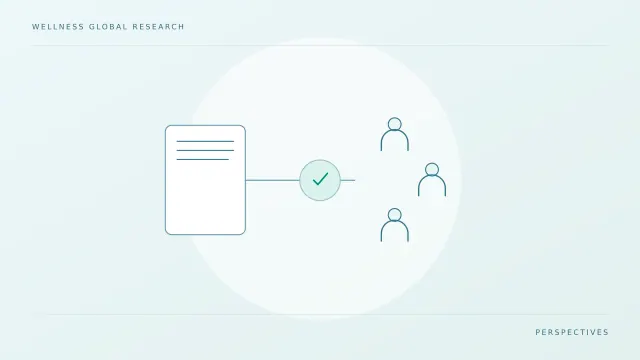
ClinicalTrials.gov explains that eligibility and participation questions should be discussed with the study team. In operational terms, the handoff from identification to conversation matters. A useful plan describes who will contact the person, what information can be discussed, how questions will be addressed, and how the next step will be recorded.
- State whether a figure represents records, contacted people, preliminary reviews, or formal screening.
- Identify protocol criteria that cannot be checked with available information.
- Include the participant’s decision and practical ability to follow the schedule.
- Check how many appointments and clinical reviews the site can support.
Bring capacity into the estimate
Even a well-matched population cannot progress faster than the pathway can support. Records review, investigator time, laboratory arrangements, procedure access, appointment space, and staff coverage can limit the pace. A feasibility estimate becomes more useful when the team explains these assumptions alongside the population assessment.
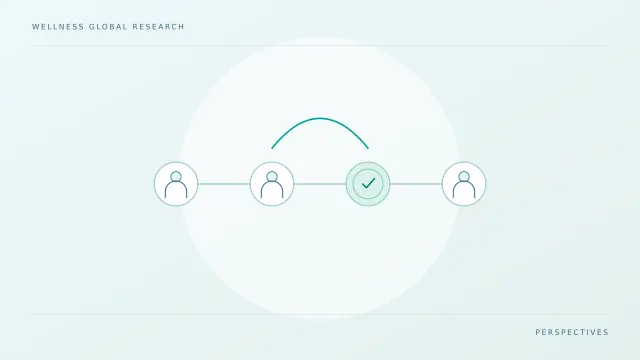
Ask the site to describe the route from identification to completed screening. Discuss which steps can run in parallel and which depend on one another. Our feasibility review brings clinical access and operating capacity together so the forecast reflects more than a database search.
See how WCR develops a practical recruitment plan by reviewing patient access alongside visit demands and available capacity.
Review estimates as information improves
A forecast should be open to revision when new information changes its assumptions. Early records review, recruitment conversations, or study preparation may reveal a narrower population or a different operational constraint. Updating the estimate with that explanation gives the sponsor more useful information than defending the original number.
WGR connects practice-based access with investigator review, recruitment support, and the resources needed for study execution. Our therapeutic-area pages explain the types of indication-specific questions that can shape this process. The objective is a contribution the proposed team can understand, support, and discuss with clear assumptions.
Present the estimate with its assumptions
When sharing a proposed contribution, include a concise explanation of the population definition, information reviewed, additional work required, and capacity assumptions. Describe the main uncertainty in plain language. A sponsor can make a more informed decision when it understands why the estimate might change, rather than receiving a precise-looking number with no context.
Revisit the explanation after early outreach or records review. If fewer people appear suitable, distinguish a population issue from missing information or a slow handoff. If interest is strong, confirm the site can support the next stages before revising upward. The estimate should remain connected to what the team has learned and the pathway available to move people forward.
Explore WGR’s clinical research site network, including feasibility, recruitment, and coordinated site operations.