Understand what the open item is asking
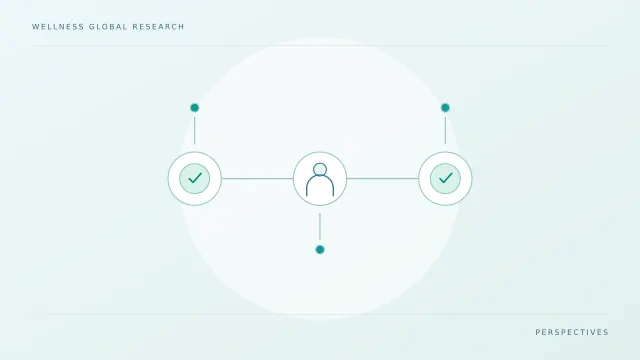
A monitoring note or quality observation needs enough context for the site team to act. An item labeled “please resolve” may leave the coordinator uncertain about the specific record, requirement, or discrepancy. Begin by identifying what was observed, which study information it concerns, and what clarification or action is being requested.
Where the request is unclear, ask a focused question before several people spend time interpreting it differently. The objective is a shared understanding of the issue and the appropriate next step. A clearer opening discussion can reduce repeated exchanges and help the team direct clinical, documentary, and operational matters to the right reviewers.
Connect the request with its source
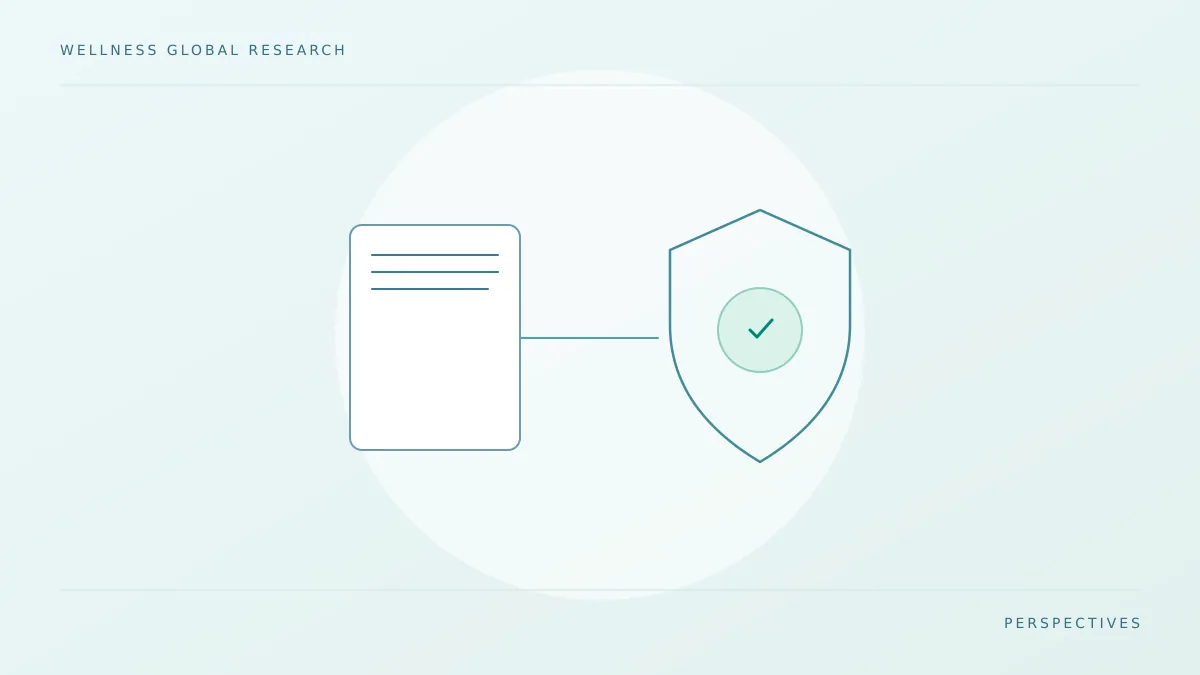
The person working on an item needs the relevant record and requirement. A fragment copied into an email can lose the context necessary for a useful response. Keep a clear connection between the observation, supporting source, related discussion, and any study-specific direction that informs the action.
FDA’s risk-based monitoring guidance discusses planning monitoring approaches and communicating results. At the site level, a practical response is to make monitoring information usable: the team should understand which issue needs attention, why it matters to the study, and how the response will be reviewed.
WCR's approach to quality follow-through provides a related example of connecting observations, assigned actions, documentation, and review.
Assign a resolution route, not only a name
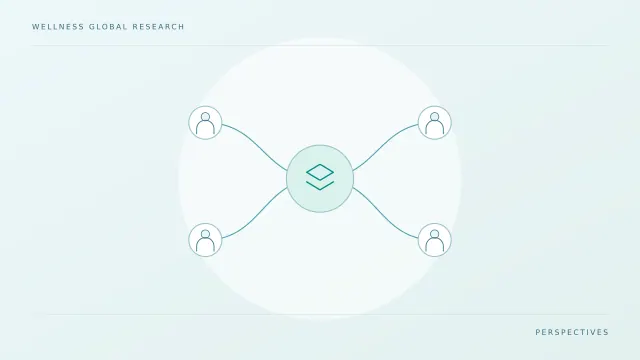
Some matters can be handled by the coordinator. Others need investigator review, a sponsor decision, vendor support, or a process change. The task owner should know where to obtain that input and how to communicate progress. Assigning the item to a person without a resolution route can leave it open despite repeated reminders.
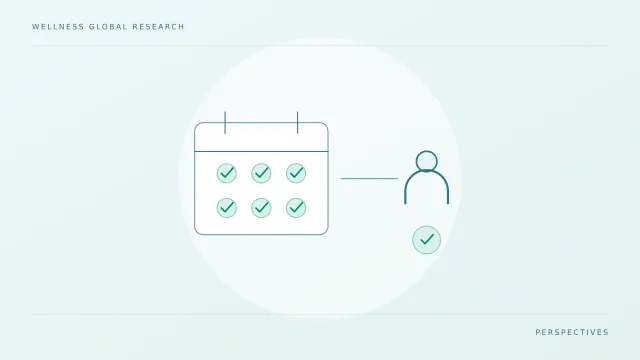
Define what would demonstrate that the action is complete. This may involve a reviewed response, a corrected record through the appropriate process, a clarified instruction, or evidence that an agreed change has been implemented. Avoid closing an item solely because a message has been sent.
- State the observation and the specific information or action needed.
- Link the relevant record, requirement, and previous discussion.
- Identify the appropriate reviewer or decision-maker as well as the task owner.
- Agree what evidence or confirmation will close the follow-up.
Review patterns without losing individual context
Repeated issues may indicate a workflow, preparation, training, or system problem worth examining. Review the pattern carefully rather than assuming every item has the same cause. A missing document, a misunderstood instruction, and a recurring access issue can look similar on a task list while requiring different responses.
Bring the people who perform the affected work into that review. They may identify a handoff or dependency that is not obvious from the observation alone. Our visit preparation approach shows how earlier planning can help the team address some recurring operational gaps.
Keep quality connected to daily operations
Quality work is easier to follow when it remains connected to visits, records, clinical review, and the people responsible for the study. A separate list that staff only see before a monitoring visit can hide unresolved dependencies. The shared operating picture should help the team understand what needs attention throughout execution.
WGR supports local practices through central operations and follow-through, with technology-supported context and assignments. Appropriate investigators and qualified staff retain the relevant responsibilities. The aim is a clear path from an observation to an informed action and a verified resolution, with learning that improves the next cycle of work.
Check whether closure resolved the underlying issue
Before closing an open matter, ask whether the requested action has been reviewed by the appropriate person and whether the receiving team can understand the result. If an issue led to a workflow change, confirm that the people affected know how the change applies. A completed task status alone may not show that the practical handoff has improved.
Use a small sample of resolved items to assess the follow-up process. Look for unclear requests, repeated clarification, missing source context, or questions that remained with the wrong owner. The review can identify a modest improvement in how the team records and routes work, without treating every observation as evidence that the whole operating model needs redesign.
Explore WGR’s clinical research site network, including feasibility, recruitment, and coordinated site operations.